


 Colombia
Colombia
Colombia
 Interactive data profiles:
 |
|
|
|
|
|
|
|
|
|
|
|
|
|
|
|
|
|
|
|
|
|
|
|
|
|
|
|
|
|
|
|
|
|
|
|
|
|
|
|
|
|
|
|
|
|
|
|
|
|
|
|
|
|
|
|
|
|
|
|
|
|
|
|
|
|
|
|
|
|
|
|
|
|
|
|
|
|
|
|
|
|
|
|
|
|
|
|
|
|
|
|
|
|
|
|
|
|
|
|
|
|
|
|
|
|
|
|
|
|
|
|
|
|
|
|
|
|
|
|
|
|
|
|
|
|
|
|
|
|
|
|
|
|
|
|
|
|
|
|
|
|
|
|
|
|
|
|
|
|
|
|
|
|
|
|
|
|
|
|
|
|
|
|
|
|
|
|
|
|
|
|
|
|
|
|
|
|
|
|
|
|
|
|
|
|
|
|
|
|
|
|
|
|
|
|
|
|
|
|
|
|
|
|
|
|
|
|
|
|
|
|
|
|
|
|
|
|
|
|
|
|
|
|
|
|
|
|
|
|
|
|
|
|
|
|
|
|
|
|
|
|
|
|
|
|
|
|
|
|
|
|
|
|
|
|
|
|
|
|
|
|
|
|
|
|
|
|
|
|
|
|
|
|
|
|
|
|
|
|
|
|
|
|
|
|
|
|
|
|
|
|
|
|
|
|
|
|
|
|
|
|
|
|
|
|
|
|
|
|
|
|
|
|
|
|
|
|
|
|
|
|
|
|
|
|
|
|
|
|
|
|
|
|
|
|
|
|
|
|
|
|
|
|
|
|
|
|
|
|
|
|
|
|
|
|
|
|
|
|
|
|
|
|
|
|
|
|
|
|
|
|
|
|
|
|
|
|
|
|
|
|
|
|
|
|
|
|
|
|
|
|
|
|
|
|
|
|
|
|
|
|
|
|
|
|
|
|
|
|
|
|
|
|
|
|
|
|
|
|
|
|
|
|
|
|
|
|
|
|
|
|
|
|
|
|
|
|
|
|
|
|
|
|
|
|
|
|
|
|
|
|
|
|
|
|
|
|
|
|
|
|
|
|
|
|
|
|
|
|
|
|
|
|
|
|
|
|
|
|
|
|
|
|
|
|
|
|
|
|
|
|
|
|
|
 Country reports and publications
Colombia
Overview of the education system (EAG 2025)
| Education at a Glance 2025 | Country note | Annexes from Education at a Glance 2025 | OECD Handbook for Internationally Comparative Education Statistics 2018 | Ministry of Education |

Select first some countries to compare, choose the charts you wish to display and customise them.
The following list displays indicators for which your selected country shows the highest and lowest values among countries.
The list can be sorted by level of education or by age group. All rankings are calculated including available data from OECD
and partner countries.
Find out more about the methodology here.
Show indicators for which your country ranks among the top or bottom:
Sort by:
Entrance
The share of women among tertiary education new entrants is one of the smallest compared to OECD and partner countries with available data. (52.1 %, rank 31/34 , 2023) Download Indicator
The share of female students entering doctoral or equivalent programmes in Colombia is one of the smallest compared to other OECD countries and partner economies. (40.8 %, rank 39/41 , 2023) Download Indicator
In Colombia, the percentage of first-time entrants into tertiary education younger than 25 is relatively low. (70.3 %, rank 30/34 , 2023) Download Indicator
In Colombia, the share of first-time entrants into master's or equivalent programmes before the age of 30 is relatively low. (38.6 %, rank 40/40 , 2023) Download Indicator
In Colombia, the proportion of first-time entrants into doctorate's or equivalent programmes before the age of 30 is one of the smallest among OECD and partner countries with available data. (15.3 %, rank 39/41 , 2023) Download Indicator
In Colombia, the average age of new entrants in master's programmes is one of the highest among OECD and partner countries with available data. (33.6 Years, rank 2/40 , 2023) Download Indicator
Entrance by field of education and gender
Female new entrants to bachelor’s programmes in arts and humanities placed Colombia among the smallest across countries. (56.3 %, rank 39/39 , 2023) Download Indicator
The share of female new entrants in doctoral programmes in agriculture, forestry, fisheries and veterinary ranked among the smallest across countries. (34.5 %, rank 35/35 , 2023) Download Indicator
Female new entrants in arts and humanities doctoral programmes placed Colombia among the smallest across participating countries. (26.8 %, rank 36/36 , 2023) Download Indicator
In Colombia, the share of female new entrants to doctoral programmes in business, administration and law was among the smallest internationally. (31.6 %, rank 36/36 , 2023) Download Indicator
The share of female new entrants in master’s programmes in agriculture, forestry, fisheries and veterinary was among the smallest in Colombia compared to other countries. (49.3 %, rank 34/38 , 2023) Download Indicator
Female new entrants to master’s programmes in arts and humanities ranked among the smallest internationally. (52.2 %, rank 36/38 , 2023) Download Indicator
The share of female who enter tertiary education in the field of education is one of the smallest among OECD and partner countries with available data. (65.2 %, rank 36/37 , 2023) Download Indicator
The share of female who enter tertiary education in the field of arts and humanities is one of the smallest among OECD and partner countries with available data. (56.3 %, rank 37/37 , 2023) Download Indicator
The share of female who enter tertiary education in the field of engineering, manufacturing and construction is one of the largest among OECD and partner countries with available data. (33.5 %, rank 5/37 , 2023) Download Indicator
In Colombia, the share of female among new entrants in doctoral programmes enrolled in the field of education is relatively small. (50 %, rank 34/35 , 2023) Download Indicator
In Colombia, the share of female among new entrants in doctoral programmes enrolled in the field of information and communication technologies is relatively small. (12.5 %, rank 35/35 , 2023) Download Indicator
In Colombia, the share of women among new entrants in bachelor's programmes in the field of education is one of the smallest among OECD and partner countries with available data. (66.1 %, rank 36/39 , 2023) Download Indicator
In Colombia, the share of women among new entrants in bachelor's programmes in the field of health and welfare is one of the smallest among OECD and partner countries with available data. (70 %, rank 36/39 , 2023) Download Indicator
The share of female students entering doctoral or equivalent programmes in Science, technology, engineering and mathematics (STEM) in Colombia is one of the smallest compared to other OECD countries and partner economies. (35.5 %, rank 32/36 , 2023) Download Indicator
The share of female students entering master's or equivalent programmes in education in Colombia is one of the smallest compared to other OECD countries and partner economies. (66.3 %, rank 34/38 , 2023) Download Indicator
The share of female students entering master's or equivalent programmes in natural sciences, mathematics and statistics in Colombia is one of the smallest compared to other OECD countries and partner economies. (40.9 %, rank 36/38 , 2023) Download Indicator
The share of female students entering short cycle tertiary programmes in education in Colombia is one of the smallest compared to other OECD countries and partner economies. (25.8 %, rank 23/23 , 2023) Download Indicator
The share of female students entering short cycle tertiary programmes in health and welfare in Colombia is one of the smallest compared to other OECD countries and partner economies. (70.7 %, rank 24/28 , 2023) Download Indicator
The share of male students entering short cycle tertiary programmes in natural sciences, mathematics and statistics in Colombia is one of the smallest compared to other OECD countries and partner economies. (33.3 %, rank 21/24 , 2023) Download Indicator
The share of male students entering short-cycle tertiary programmes in engineering, manufacturing and construction in Colombia is one of the smallest compared to other OECD countries and partner economies. (66.8 %, rank 30/32 , 2023) Download Indicator
The share of male students entering short-cycle tertiary programmes in Science, technology, engineering and mathematics (STEM) in Colombia is one of the smallest compared to other OECD countries and partner economies. (68.7 %, rank 28/32 , 2023) Download Indicator
Participation in education
The enrolment rate among 15-19 year-olds in Colombia is one of the lowest among OECD and partner countries with available data. (61.7 %, rank 41/44 , 2023) Download Indicator
The percentage of four-year-olds in early childhood and primary education in Colombia is one of the lowest among OECD and partner countries with available data. (70.7 %, rank 39/42 , 2023) Download Indicator
The enrolment rate of 15–19-year-olds in post-secondary non-tertiary general programmes was among the highest across participating countries. (0.2 %, rank 3/10 , 2023) Download Indicator
The share of female students in post-secondary non-tertiary general programmes ranked among the largest across participating countries. (75.4 %, rank 1/10 , 2023) Download Indicator
The share of students enrolled in programmes providing full completion and access to tertiary education among all students enrolled in upper secondary vocational programmes is one of the largest among OECD and partner countries with available data. (100 %, rank 1/39 , 2023) Download Indicator
The average age of upper secondary students enrolled in vocational programmes in Colombia is relatively low compared to the other countries. (15.9 %, rank 44/44 , 2023) Download Indicator
The enrolment rate among students aged 15-19 in upper secondary programmes in Colombia is one of the lowest among OECD and partner countries with available data. (30.5 %, rank 47/47 , 2023) Download Indicator
The enrolment rate among students aged 15-19 in upper secondary general programmes in Colombia is one of the lowest among OECD and partner countries with available data. (21.4 %, rank 44/47 , 2023) Download Indicator
The percentage of four-year-olds in primary education in Colombia is one of the highest among OECD and partner countries with available data. (0.3 %, rank 5/46 , 2023) Download Indicator
Graduation
The average age of graduates from vocational programmes at the upper secondary level in Colombia is comparatively low. (16.4 Years, rank 38/38 , 2023) Download Indicator
In Colombia, the percentage of first-time bachelor's graduates younger than 30 is relatively low. (74.6 %, rank 33/35 , 2023) Download Indicator
In Colombia, the percentage of first-time master's graduates younger than 35 is relatively low. (58.1 %, rank 33/33 , 2023) Download Indicator
In Colombia, the percentage of first-time doctorate graduates younger than 35 is relatively low. (17.8 %, rank 33/33 , 2023) Download Indicator
Graduation by gender
The share of female graduates from upper secondary vocational programmes is one of the largest among OECD countries and partner economies with available data. (54.1 %, rank 4/41 , 2023) Download Indicator
Graduation by field of education
The percentage of tertiary graduates in the field of arts and humanities is one of the lowest among OECD and partner countries with available data. (3.1 %, rank 43/44 , 2023) Download Indicator
The percentage of tertiary graduates in the field of business, administration and law is one of the highest among OECD and partner countries with available data. (42.6 %, rank 1/44 , 2023) Download Indicator
The percentage of tertiary graduates in the field of natural sciences, mathematics and statistics is one of the lowest among OECD and partner countries with available data. (1.9 %, rank 43/44 , 2023) Download Indicator
The percentage of tertiary graduates in the field of health and welfare is one of the lowest among OECD and partner countries with available data. (6.4 %, rank 42/44 , 2023) Download Indicator
In Colombia, the share of short-cycle tertiary vocational graduates in the field of business, administration and law is relatively high compared to other OECD countries and partner economies with available data. (4 %, rank 4/37 , 2022) Download Indicator
In Colombia, the proportion of bachelor's, master's and doctoral or equivalent graduates in the field of business, administration and law is one of the highest among OECD and partner countries with available data. (4 %, rank 1/44 , 2022) Download Indicator
Graduation by field of education and gender
The proportion of female tertiary graduates in the humanities and arts is one of the lowest among OECD and partner countries. (2.9 %, rank 44/44 , 2023) Download Indicator
The proportion of female tertiary graduates in health and welfare is one of the lowest among OECD and partner countries. (7.8 %, rank 43/44 , 2023) Download Indicator
The proportion of female tertiary graduates in social sciences, business and law is one of the highest among OECD and partner countries. (46.6 %, rank 1/44 , 2023) Download Indicator
In Colombia, the proportion of male tertiary graduates in the field of arts and humanities is relatively small. (3.2 %, rank 42/44 , 2023) Download Indicator
In Colombia, the share of male tertiary graduates in the field of business, administration and law is one of the largest among OECD and partner countries with available data. (37.3 %, rank 3/44 , 2023) Download Indicator
The share of male tertiary graduates in the field of health and welfare is relatively low in Colombia. (4.6 %, rank 42/44 , 2023) Download Indicator
In Colombia, the share of female graduates in tertiary education in the field of education is one of the smallest among OECD countries and partner economies with available data. (64.3 %, rank 41/43 , 2023) Download Indicator
In Colombia, the share of female graduates in tertiary education in the fields of arts and humanities is one of the smallest among OECD countries and partner economies with available data. (54 %, rank 43/43 , 2023) Download Indicator
In Colombia, the share of female graduates in tertiary education in the fields of health and welfare is one of the smallest among OECD countries and partner economies with available data. (68.8 %, rank 39/43 , 2023) Download Indicator
Completion rates
The completion rate of female new entrants to bachelor's programmes by the end of the theoretical duration of the programme was among the lowest across countries with available data. (18.7 %, rank 31/33 , 2020) Download Indicator
For male new entrants, the completion rate to bachelor's programmes by the end of the theoretical duration of the programme placed Colombia among countries with the lowest values. (12.8 %, rank 31/33 , 2020) Download Indicator
Completion rates of all new entrants to bachelor's programmes by the theoretical duration ranked Colombia among the countries with the lowest levels. (16 %, rank 31/33 , 2020) Download Indicator
Female completion rates to bachelor's programmes, measured by the end of the theoretical duration plus one year, were among the lowest across participating countries. (37.4 %, rank 31/32 , 2021) Download Indicator
Male completion rates to bachelor's programmes by the end of the theoretical duration plus one year were among the lowest in Colombia compared to other countries. (25.5 %, rank 31/32 , 2021) Download Indicator
By the end of the theoretical duration plus one year, completion rates of all new entrants to bachelor's programmes placed Colombia among the lowest across countries with available data. (32 %, rank 31/32 , 2021) Download Indicator
Female completion rates to bachelor's programmes, measured three years beyond the theoretical duration, were among the lowest across countries with available data. (49.4 %, rank 30/31 , 2023) Download Indicator
Male completion rates to bachelor's programmes three years after the theoretical duration placed Colombia among the lowest values internationally. (36.8 %, rank 30/31 , 2023) Download Indicator
The completion rate of all new entrants to bachelor's programmes, measured three years beyond the theoretical end of the programme, ranked Colombia among the lowest across countries. (43.7 %, rank 30/31 , 2023) Download Indicator
Dropout rates
The drop out rate of female new entrants to bachelor's programmes by the end of the theoretical duration was among the highest across countries with available data. (40.1 %, rank 1/30 , 2020) Download Indicator
For male new entrants, the drop out rate by the end of the theoretical duration of the programme placed Colombia among the highest across countries. (48.9 %, rank 1/30 , 2020) Download Indicator
The overall drop out rate of new entrants to bachelor's programmes by the end of the theoretical duration ranked Colombia among the highest internationally. (44.1 %, rank 1/30 , 2020) Download Indicator
Female drop out rates by the end of the theoretical duration plus one year were among the highest across participating countries. (41.6 %, rank 1/30 , 2021) Download Indicator
For male new entrants, drop out rates one year beyond the theoretical duration placed Colombia among the highest internationally. (51 %, rank 1/30 , 2021) Download Indicator
Drop out rates of all new entrants to bachelor's programmes one year beyond the theoretical duration ranked Colombia among the highest across countries with available data. (45.9 %, rank 1/30 , 2021) Download Indicator
Female drop out rates by the end of the theoretical duration plus three years placed Colombia among the highest across countries. (40.2 %, rank 2/30 , 2023) Download Indicator
Male drop out rates to bachelor's programmes, measured three years beyond the theoretical duration, were among the highest internationally. (50.4 %, rank 2/30 , 2023) Download Indicator
The overall drop out rate of new entrants by the end of the theoretical duration plus three years was among the highest across countries with available data. (44.9 %, rank 2/30 , 2023) Download Indicator
Fields of education
In Colombia, the percentage of new entrants to tertiary education in the field of arts and humanities is relatively low. (5.4 %, rank 35/37 , 2023) Download Indicator
In Colombia, the percentage of new entrants to tertiary education in the field of natural sciences, mathematics and statistics is relatively low. (2 %, rank 37/37 , 2023) Download Indicator
In Colombia, the percentage of new entrants to tertiary education in the field of health and welfare is relatively low. (5.2 %, rank 36/37 , 2023) Download Indicator
In Colombia, the percentage of new entrants to doctoral programmes in the field of business, administration and law is relatively high, compared to other countries with available data. (17.3 %, rank 4/37 , 2023) Download Indicator
In Colombia, the percentage of new entrants to doctoral programmes in the field of information and communication technologies is relatively low, compared to other countries with available data. (1.5 %, rank 32/36 , 2023) Download Indicator
In Colombia, the share of new entrants in arts and humanities bachelor's programmes is especially low, compared to OECD and partner countries with available data. (4.7 %, rank 39/39 , 2023) Download Indicator
In Colombia, the share of new entrants in arts and humanities master's programmes is relatively low, compared to OECD and partner countries with available data. (2.1 %, rank 38/38 , 2023) Download Indicator
In Colombia, the share of new entrants in natural sciences, mathematics and statistics bachelor's programmes is relatively low, compared to OECD and partner countries with available data. (2.3 %, rank 37/39 , 2023) Download Indicator
In Colombia, the proportion of new entrants in natural sciences, mathematics and statistics master's programmes is relatively low, compared to OECD and partner countries with available data. (1.8 %, rank 38/38 , 2023) Download Indicator
In Colombia, the proportion of new entrants in Information and communication technologies bachelor's programmes is relatively low, compared to OECD and partner countries with available data. (3.8 %, rank 35/38 , 2023) Download Indicator
In Colombia, the share of new entrants in health and welfare bachelor's programmes is relatively low, compared to other countries with available data. (6.9 %, rank 35/39 , 2023) Download Indicator
In Colombia, the share of new entrants in health and welfare master's programmes is relatively lowest, compared to other countries with available data. (5.1 %, rank 37/38 , 2023) Download Indicator
Student mobility
Colombia has one of the smallest proportion of international or foreign students enrolled in tertiary education among OECD and partner countries with available data. (0.3 %, rank 42/45 , 2023) Download Indicator
The share of worldwide foreign and international students is one of the small among OECD and partner countries with available data. (0.1 %, rank 42/46 , 2023) Download Indicator
The percentage of international students entering tertiary education in Colombia is relatively low. (0.4 %, rank 33/33 , 2023) Download Indicator
The percentage of international students entering bachelor's programmes is relatively low. (0.5 %, rank 36/36 , 2023) Download Indicator
The share of international students entering short-cycle tertiary programmes is one of the smallest among OECD and partner countries with available data. (0.4 %, rank 27/31 , 2023) Download Indicator
The share of international students entering doctoral or equivalent programmes in Colombia is relatively small. (1.9 %, rank 36/36 , 2023) Download Indicator
In Colombia, the share of international and foreign students enrolled in doctoral or equivalent programmes is one of the smallest among OECD and partner countries with available data. (1.8 %, rank 43/43 , 2023) Download Indicator
In Colombia, international or foreign students from Latin America and the Caribbean are most represented among all international or foreign students, compared to other OECD and partner countries with available data. (89.5 %, rank 3/41 , 2023) Download Indicator
In Colombia, international or foreign students from Asia are least represented among all international or foreign students, compared to other OECD and partner countries with available data. (1.3 %, rank 38/41 , 2023) Download Indicator
In Colombia, international or foreign students from Oceania are least represented among all international or foreign students, compared to other OECD and partner countries with available data. (0 %, rank 37/41 , 2023) Download Indicator
In Colombia, international or foreign students from Africa are lowest represented among all international or foreign students, compared to other OECD and partner countries with available data. (0.4 %, rank 40/41 , 2023) Download Indicator
The proportion of international students among the new entrants in master's programmes in Colombia is relatively low compared to other OECD and partner countries. (0.6 %, rank 36/37 , 2023) Download Indicator
In Colombia, the proportion of international or foreign students enrolled in bachelor's programmes is one of the smallest among OECD and partner countries with available data. (0.2 %, rank 43/44 , 2023) Download Indicator
In Colombia, the proportion of international or foreign students enrolled in master's programmes is one of the smallest among OECD and partner countries with available data. (0.6 %, rank 43/44 , 2023) Download Indicator
In Colombia, the share of international or foreign students enrolled in bachelor's programmes among men is relatively low compared to other OECD and partner countries. (0.2 %, rank 41/41 , 2023) Download Indicator
In Colombia, the share of international or foreign students enrolled in bachelor's programmes among women is relatively low compared to other OECD and partner countries. (0.2 %, rank 40/41 , 2023) Download Indicator
In Colombia, the share of international or foreign students enrolled in doctoral or equivalent programmes among men is relatively low compared to other OECD and partner countries. (1.9 %, rank 40/40 , 2023) Download Indicator
In Colombia, the share of international or foreign students enrolled in doctoral or equivalent programmes among women is relatively low compared to other OECD and partner countries. (1.7 %, rank 39/40 , 2023) Download Indicator
In Colombia, the share of international or foreign students enrolled in master's programmes among men is relatively low compared to other OECD and partner countries. (0.8 %, rank 40/41 , 2023) Download Indicator
In Colombia, the share of international or foreign students enrolled in master's programmes among women is relatively low compared to other OECD and partner countries. (0.5 %, rank 40/41 , 2023) Download Indicator
In Colombia, the share of international or foreign students enrolled in tertiary education among men is relatively low compared to other OECD and partner countries. (0.3 %, rank 40/42 , 2023) Download Indicator
In Colombia, the share of international or foreign students enrolled in tertiary education among women is relatively low compared to other OECD and partner countries. (0.3 %, rank 39/42 , 2023) Download Indicator
Student mobility by field of education
In Colombia, the share of international and foreign students among all students in the field of education is one of the smallest among OECD and partner countries with available data. (0.2 %, rank 38/39 , 2023) Download Indicator
In Colombia, the share of international and foreign students among all students in the field of arts and humanities is one of the smallest among OECD and partner countries with available data. (0.5 %, rank 39/39 , 2023) Download Indicator
In Colombia, the share of international and foreign students among all students in the field of social sciences, journalism and information is one of the smallest among OECD and partner countries with available data. (0.3 %, rank 38/39 , 2023) Download Indicator
In Colombia, the share of international and foreign students among all students in the field of business, administration and law is one of the smallest among OECD and partner countries with available data. (0.2 %, rank 37/38 , 2023) Download Indicator
In Colombia, the share of international and foreign students among all students in the field of Natural sciences, mathematics and statistics is one of the smallest among OECD and partner countries with available data. (0.3 %, rank 39/39 , 2023) Download Indicator
In Colombia, the share of international and foreign students among all students in the field of information and communication technologies is one of the smallest among OECD and partner countries with available data. (0.3 %, rank 37/38 , 2023) Download Indicator
In Colombia, the share of international and foreign students among all students in the field of engineering, manufacturing and construction is one of the smallest among OECD and partner countries with available data. (0.2 %, rank 39/39 , 2023) Download Indicator
In Colombia, the share of international and foreign students among all students in the field of health and welfare is one of the smallest among OECD and partner countries with available data. (0.4 %, rank 38/39 , 2023) Download Indicator
In Colombia, the share of international and foreign students among all students in the field of services is one of the smallest among OECD and partner countries with available data. (0.3 %, rank 36/38 , 2023) Download Indicator
Teachers' salaries
In Colombia, the change in statutory primary education teachers' salaries with 15 years of experience, based on most prevalent qualifications at different points in teachers' careers is relatively large. (132 Index, rank 4/33 , 2023) Download Indicator
In Colombia, the change in statutory lower secondary education teachers' salaries with 15 years of experience, based on most prevalent qualifications at different points in teachers' careers is relatively large. (132 Index, rank 4/33 , 2023) Download Indicator
Teachers' salaries progression
It takes lower secondary teachers less time to progress through the salary scale in Colombia compared to other OECD and partner countries. (9 Years, rank 33/35 , 2023) Download Indicator
Organisation of the education system
In Colombia, the intended instruction time for lower secondary students (in hours per year) is one of the longest among OECD and partner countries with available data. (1200 Hours, rank 1/34 , 2023) Download Indicator
The total compulsory instruction time for lower secondary students in Colombia is one of the longest among OECD and partner countries with available data. (4800 Hours, rank 3/42 , 2024) Download Indicator
In Colombia, total intended instruction time for lower secondary students is among the longest compared to other countries with available data. (4800 Hours, rank 3/34 , 2024) Download Indicator
The total compulsory instruction time for primary and lower secondary student in Colombia is among the longest among OECD and partner countries with available data. (9800 Hours, rank 5/42 , 2024) Download Indicator
In Colombia, total intended instruction time for primary and lower secondary students (in hours per year) is among the longest among OECD and partner countries with available data. (9800 Hours, rank 4/34 , 2024) Download Indicator
In Colombia, compulsory instruction time for primary students, in hours per year, is one of the longest among OECD and partner countries with available data. (1000 Hours, rank 3/42 , 2024) Download Indicator
In Colombia, the intended instruction time for primary students, in hours per year, is one of the longest among OECD and partner countries with available data. (1000 Hours, rank 5/34 , 2024) Download Indicator
In Colombia, compulsory instruction time for lower secondary students, in hours per year, is one of the longest among OECD and partner countries with available data. (1200 Hours, rank 1/42 , 2024) Download Indicator
Classes in public primary institutions are comparatively large in Colombia. (24 Students, rank 5/37 , 2023) Download Indicator
Classes in lower secondary public institutions are comparatively large in Colombia. (30 Students, rank 4/35 , 2023) Download Indicator
Employment and educational attainment
The employment rate among 35-44 year-olds with tertiary education is comparatively low. (83.7 %, rank 36/39 , 2024) Download Indicator
The employment rate among 45-54 year-olds with tertiary education is comparatively low. (80.5 %, rank 38/40 , 2024) Download Indicator
The employment rate among 35-44 year-olds with upper secondary or post-secondary non-tertiary education is comparatively low. (74.9 %, rank 33/37 , 2024) Download Indicator
The employment rate among 45-54 year-olds with upper secondary or post-secondary non-tertiary education is comparatively low. (72.3 %, rank 36/38 , 2024) Download Indicator
Employment by gender and educational attainment
The employment rate among 25-64 year-olds with tertiary education is comparatively low. (79.9 %, rank 37/40 , 2024) Download Indicator
The employment rate among 25-64 year-olds with upper secondary or post-secondary non-tertiary education is comparatively low. (70.4 %, rank 35/38 , 2024) Download Indicator
The employment rate among 25-64 year-old men without upper secondary education is comparatively high. (84.1 %, rank 3/39 , 2024) Download Indicator
The employment rate among 25-64 year-old women with upper secondary or post-secondary non-tertiary education is comparatively low. (56.4 %, rank 35/38 , 2024) Download Indicator
The employment rate among 25-64 year-old women with tertiary education is comparatively low. (73.8 %, rank 36/40 , 2024) Download Indicator
The employment rate among 25-34 year-old men with below upper secondary education is compartively high in Colombia. (82.6 %, rank 4/38 , 2024) Download Indicator
The employment rate among 25-34 year-old women with upper secondary or post-secondary non-tertiary education is compartively low in Colombia. (56.2 %, rank 34/37 , 2024) Download Indicator
The employment rate among 55-64 year-old women with tertiary education is compartively low in Colombia. (56.1 %, rank 36/40 , 2024) Download Indicator
The employment rate among 55-64 year-old women with upper secondary or post-secondary non-tertiary education is compartively low in Colombia. (41.1 %, rank 35/38 , 2024) Download Indicator
Unemployment and educational attainment
The unemployment rate among 25-34 year-olds with tertiary education is comparatively high. (11.2 %, rank 3/39 , 2024) Download Indicator
The unemployment rate among 25-64 year-olds with tertiary education is comparatively high. (9.2 %, rank 2/39 , 2024) Download Indicator
Unemployment by gender and educational attainment
The unemployment rate among 25-34 year-old men with tertiary education is compartively high in Colombia. (9.3 %, rank 3/37 , 2024) Download Indicator
The unemployment rate among 25-34 year-old women with tertiary education is compartively high in Colombia. (12.7 %, rank 4/37 , 2024) Download Indicator
Inactivity by gender and educational attainment
In Colombia, the inactivity rate of 25-34 year-old men without an upper secondary education is relatively low compared to other countries with available data. (10.7 %, rank 33/37 , 2024) Download Indicator
In Colombia, the inactivity rate of 25-64 year-old men without an upper secondary education is relatively low compared to other countries with available data. (10.6 %, rank 37/39 , 2024) Download Indicator
In Colombia, the inactivity rate of 25-64 year-old women with upper secondary or post-secondary non-tertiary education is relatively high. (35.6 %, rank 4/38 , 2024) Download Indicator
In Colombia, the inactivity rate of 25-64 year-old men with upper secondary or post-secondary non-tertiary education is relatively low. (7.8 %, rank 35/38 , 2024) Download Indicator
In Colombia, the inactivity rate of 25-34 year-old men with tertiary education is relatively low. (2.8 %, rank 37/39 , 2024) Download Indicator
Earnings and educational attainment
The proportional difference in earnings between 25-64 year-old adults with tertiary education and those with upper secondary or post-secondary non-tertiary education is quite high. (250 Index, rank 2/29 , 2023) Download Indicator
Compared to other countries with available data, earnings of 25-64 year-olds full- and part-time with below secondary education compared to those of adults with an upper secondary education are relatively low in Colombia. (66.6 %, rank 28/30 , 2023) Download Indicator
In Colombia, the share of worker earning more than twice the median among those with a tertiary education degree is comparatively . (43 Index, rank 4/30 , 2023) Download Indicator
The share of 25-64 year-old workers without an upper secondary education earning at or below half the overall median in Colombia is one of the highest among countries with available data. (44 Index, rank 3/29 , 2023) Download Indicator
The share of 25-64 year-old workers with upper secondary or post-secondary non-tertiary education earning at or below half the overall median in Colombia is one of the highest among countries with available data. (23 Index, rank 4/29 , 2023) Download Indicator
Compared to other countries with available data, earnings of 25-34 year-olds working full-time and full-year with tertiary education compared to those of adults without an upper secondary education are relatively high in Colombia. (286 Index, rank 2/29 , 2023) Download Indicator
Compared to other countries with available data, earnings of 45-54 year-olds working full-time and full-year with tertiary education compared to those of adults without an upper secondary education are relatively high in Colombia. (428 Index, rank 2/29 , 2023) Download Indicator
In Colombia, the relative earnings for 45-54 year-old workers with below upper secondary attainment are low compared to workers with upper secondary attainment (69 Index, rank 27/29 , 2023) Download Indicator
In Colombia, the distribution of worker earning more than half the median but at or below the median among those with below upper secondary education is comparatively low. (35 Index, rank 28/30 , 2023) Download Indicator
In Colombia, the distribution of worker earning more than half the median but at or below the median among those with with upper secondary or post-secondary non-tertiary education is comparatively low. (31 Index, rank 27/29 , 2023) Download Indicator
In Colombia, the distribution of worker earning more than the median but at or below 1.5 times the median among those with tertiary education is comparatively low. (15 Index, rank 28/30 , 2023) Download Indicator
In Colombia, the distribution of worker earning more than half the median but at or below the median among those with tertiary education is comparatively low. (13 Index, rank 27/30 , 2023) Download Indicator
Earnings, gender and educational attainment
The earnings of men without an upper secondary education are relatively low compared to those of men with an upper secondary education. (69 Index, rank 28/29 , 2023) Download Indicator
Earnings of women as a percentage of men's earnings (among 25-64 year-olds with upper secondary education or post-secondary non-tertiary education and income from employment) are one of the highest among countries with available data. (84.9 %, rank 5/29 , 2023) Download Indicator
Earnings of women as a percentage of men's earnings (25-64 year-olds with income from employment) are one of the highest among countries with available data. (104 %, rank 2/29 , 2023) Download Indicator
Earnings of women as a percentage of men's earnings (among 25-34 year-olds with upper secondary education or post-secondary non-tertiary education and income from employment) are one of the high among countries with available data. (89 %, rank 3/29 , 2023) Download Indicator
Earnings of women as a percentage of men's earnings (45-54 year-olds without an upper secondary education working full-time full-year) are one of the highest among countries with available data. (88.3 %, rank 2/27 , 2023) Download Indicator
Neither in education nor employed
The share of inactive youth neither in formal education nor training among 18-24 year-olds in Colombia is one of the highest among countries with available data. (17.1 %, rank 4/37 , 2024) Download Indicator
The share of unemployed youth neither in formal education nor training among 18-24 year-olds in Colombia is one of the highest among countries with available data. (27.4 %, rank 3/37 , 2024) Download Indicator
The share of men without an upper secondary education neither in employment nor in education and training (25-29 year-olds) in Colombia is relatively low (17.4 %, rank 29/32 , 2024) Download Indicator
The share of women with upper secondary or post-secondary non-tertiary education neither in employment nor in education and training (25-29 year-olds) in Colombia is relatively high. (38.1 %, rank 5/34 , 2024) Download Indicator
The share of 25-29 year-olds neither in employment nor in education and training with upper secondary or post-secondary non-tertiary in Colombia is relatively high. (24.5 %, rank 5/36 , 2024) Download Indicator
The share of women with tertiary education neither in employment nor in education and training (25-29 year-olds) in Colombia is relatively high. (22.3 %, rank 3/35 , 2024) Download Indicator
The share of 25-29 year-olds neither in employment nor in education and training with tertiary education in Colombia is relatively high. (17.9 %, rank 3/36 , 2024) Download Indicator
The share of women who are inactive NEET (15-29 year-olds) in Colombia is relatively high. (23 %, rank 4/37 , 2024) Download Indicator
The share of women who are unemployed NEET (15-29 year-olds) in Colombia is relatively high. (8.7 %, rank 3/36 , 2024) Download Indicator
The share of women who are inactive NEET (18-24 year-olds) in Colombia is relatively high. (25.1 %, rank 4/36 , 2024) Download Indicator
The share of women who are unemployed NEET (18-24 year-olds) in Colombia is relatively high. (10.7 %, rank 2/34 , 2024) Download Indicator
The share of men who are unemployed NEET (18-24 year-olds) in Colombia is relatively high. (9.9 %, rank 5/36 , 2024) Download Indicator
The share of inactive NEET (15-29 year-olds) in Colombia is relatively high. (15.4 %, rank 5/38 , 2024) Download Indicator
The share of unemployed NEET (15-29 year-olds) in Colombia is relatively high. (8.2 %, rank 4/38 , 2024) Download Indicator
The share of youth neither employed nor in education or training among 25-29 year-olds in Colombia is one of the highest among OECD and partner countries with available data. (24.3 %, rank 5/38 , 2024) Download Indicator
In Colombia, the share of men neither employed nor in education among 15-29 year-olds is relatively high. (16.2 %, rank 3/34 , 2024) Download Indicator
In Colombia, the share of women neither employed nor in education among 15-29 year-olds is relatively high. (23.2 %, rank 2/32 , 2024) Download Indicator
In Colombia, the percentage of women neither employed nor in education or training among 20-24 year-olds is relatively high . (36.4 %, rank 3/37 , 2024) Download Indicator
The proportion of 18-24 year-olds who are neither employed nor in education or training is comparatively large in Colombia. (27.4 %, rank 3/37 , 2024) Download Indicator
The percentage of 18-24 year-old women neither employed nor in education or training is one of the highest among OECD countries and partner economies with available data. (35.8 %, rank 3/37 , 2024) Download Indicator
The data table will display up to six selected countries.
General findings
- Tertiary attainment among young adults has reached 48% on average across the OECD, the highest level ever, but progress has slowed since 2021. Attainment remains unequal, with women generally outpacing men, and older generations showing lower rates.
- Employment outcomes for tertiary-educated adults remain strong overall: 87% of them are employed compared to 60% of those without upper seconday. Tertiary education offers good protection against unemployment, but women and disadvantaged groups still face labour market gaps, and inactivity persists among some adults. Moreover, adults with tertiary education earn on average 54% more than those with only upper secondary education.
- Gender pay gaps remain significant. Despite higher attainment, women with tertiary education consistently earn less than men, even when working full-time, and this gap persists across age groups (73% on average for women aged 25 to 64).
- Fields of study strongly influence labour market outcomes. Graduates in engineering and in health and welfare fare particularly well, while women’s participation in STEM remains below parity (14% of graduates at tertiary level) despite being 58% of all tertiary graduates.
- Internationalisation continues to expand in tertiary education. The share of international students has grown steadily, and OECD countries host a large proportion of the world’s mobile students, reinforcing their global role in higher education.
- Sustaining tertiary education requires adequate investment. Spending per student is already at 21 021 USD and rising, and tertiary expenditure represents a notable share of GDP (1.4% on average in OECD), making efficiency and equity crucial for long-term sustainability.
| Education policies: Attainment | Education policies: Access and Participation | Education policies: Finance and Funding | Education policies: Labour market outcomes |
Visualisations
Click the arrow sign next to the title:
 to display other variables
to display other variables
Click the arrow sign next to the title:
to display other variables
to display other variables
Click the arrow sign next to the title:
to display other variables
to display other variables
- Although many countries have near universal upper secondary attainment among 25–34 year-olds, on average across the OECD 13% of younger adults still lack an upper secondary qualification.
- NEET shares are now below pre-pandemic levels in about half of OECD and partner countries with trend data; in 8 of these 16 countries the decline exceeds 1 percentage point, while 17 countries exceed pre-pandemic benchmarks and 6 saw increases of more than 2 percentage points.
- Employment rates rise steadily with higher tertiary attainment: short-cycle 83%, bachelor’s 86%, master’s 90%, and doctoral or equivalent 93% among 25–64 year-olds.
- Earnings premiums also increase with qualification level: on average across the OECD, short-cycle graduates earn 17% more than those with upper secondary; the advantage is 39% for bachelor’s and 83% for master’s/doctoral graduates.
Visualisations
Click the arrow sign next to the title:
to display other variables
to display other variables
Click the arrow sign next to the title:
to display other variables
to display other variables
Click the arrow sign next to the title:
to display other variables
to display other variables
- Most children aged 3 to 5 are enrolled in early childhood education, with an average participation rate of 85% across the OECD. By contrast, only 29% of children under the age of 3 are enrolled.
- Participation in early childhood education has grown over the past decade, with enrolment for children under age 3 increasing by 9 percentage points to 29%, and enrolment for ages 3 and above rising by 5 points to 85%.
- The majority of students in vocational upper secondary education follow programmes that grant full access to tertiary education, with 76% of students enrolled in such programmes on average across the OECD.
- Completion rates for bachelor’s programmes increase after the theoretical duration of programmes: on average, 44% of students graduate on time, compared to 69% three years after.
- Students from Asia form the largest regional group of internationally mobile students in tertiary education, representing 58% of all foreign or international students across the OECD in 2023.
- Only 43% of students complete a bachelor’s degree within the expected duration, though this rises to 59% with one additional year and 70% with three additional years on average across the OECD.
Visualisations
Click the arrow sign next to the title:
to display other variables
to display other variables
Click the arrow sign next to the title:
to display other variables
to display other variables
Click the arrow sign next to the title:
to display other variables
to display other variables
- Governments spend on average USD 12 438 per student in primary, secondary and post-secondary non-tertiary education, and USD 15 102 per student in tertiary education including R&D.
- Expenditure per student has risen in absolute terms since 2015, but its share in public budgets has declined, with government spending on education at almost 15% of total government expenditure on average in 2022.
- Annual spending per student at primary and secondary levels varies widely across OECD countries, from under USD 3 000 in some systems to over USD 25 000 in the most highly funded ones.
- Tertiary education continues to expand, placing pressure on public budgets. Private sources represent a larger share of total funding at the tertiary level than at any other level of education.
- Spending per student differs markedly between public and private institutions, with expenditure in public tertiary institutions exceeding USD 33 000 in some countries, compared to less than USD 10 000 in others.
Visualisations
Click the arrow sign next to the title:
to display other variables
to display other variables
Click the arrow sign next to the title:
to display other variables
to display other variables
Click the arrow sign next to the title:
to display other variables
to display other variables
- Students in OECD countries receive an average of 7 604 hours of compulsory instruction during primary and lower secondary education, with total hours ranging widely across education systems.
- Compulsory instruction time averages 804 hours per year for primary students and 909 hours for lower secondary students, a difference of about 105 hours annually.
- The ratio of children to teachers in pre-primary education has fallen across most OECD countries, decreasing from an average of 15 children per teacher in 2013 to 13 in 2023.
- Teachers’ statutory salaries increase with the level of education taught. On average, teachers with 15 years of experience earn USD 55 725 at pre-primary level and USD 63 925 at upper secondary level.
- Teachers’ actual salaries are 83–91% of the earnings of similarly educated tertiary-educated workers, while school heads usually earn more than tertiary-educated workers on average across OECD countries.
- The ratio of students to academic staff is lower in public than in private institutions, averaging about 14 students per staff member in public tertiary institutions compared to 18 in private ones.
- Nearly half of OECD and partner countries operate non-selective admission systems for first degrees, providing broad access to tertiary education, while entrance exams and centralised systems are also common.
- The salaries of academic staff in tertiary education vary by seniority. On average, junior staff earn about 62 000 USD, while senior staff earn about 108 000 USD.
| Education policies: Teachers | Education policies: Teachers | OECD Teaching and Learning International Survey (TALIS) |
Visualisations
Click the arrow sign next to the title:
to display other variables
to display other variables
Click the arrow sign next to the title:
to display other variables
to display other variables
Click the arrow sign next to the title:
to display other variables
to display other variables
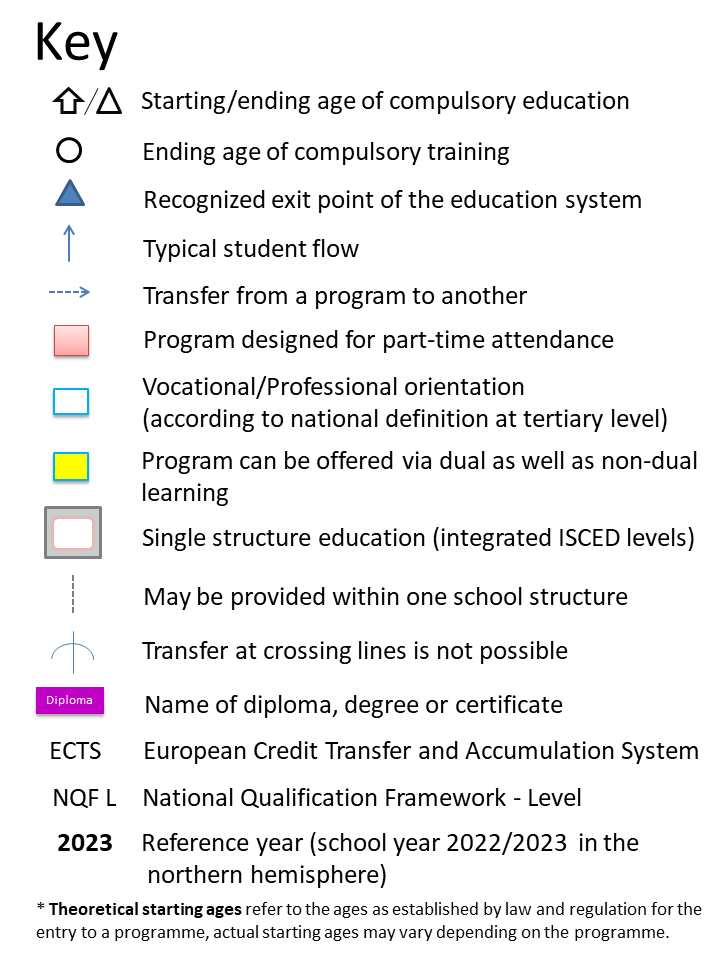
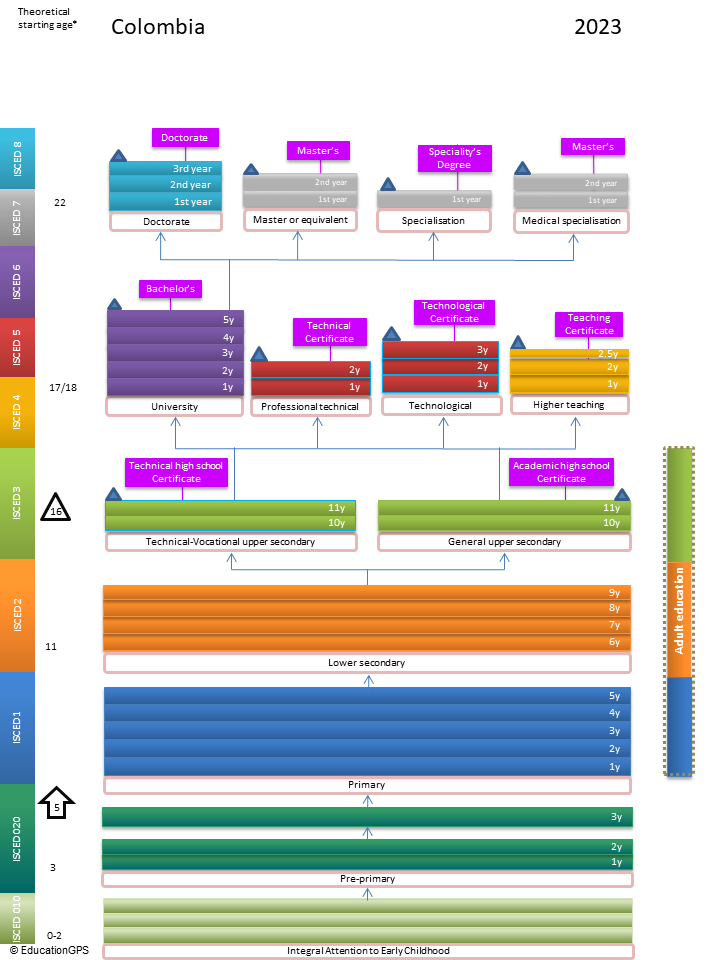
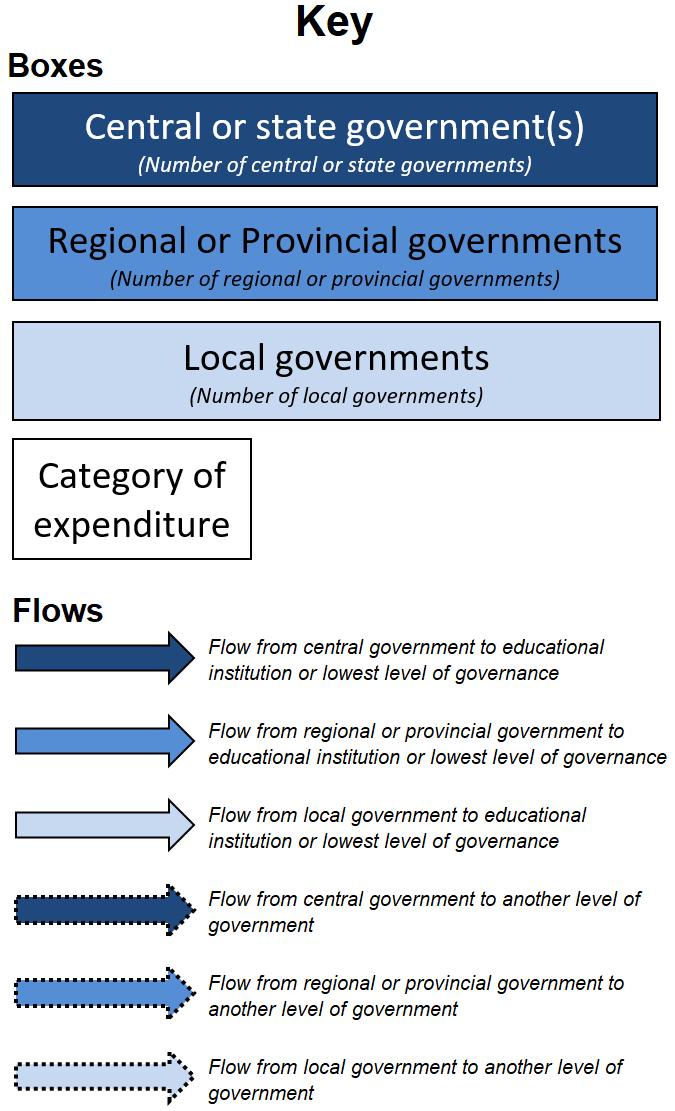
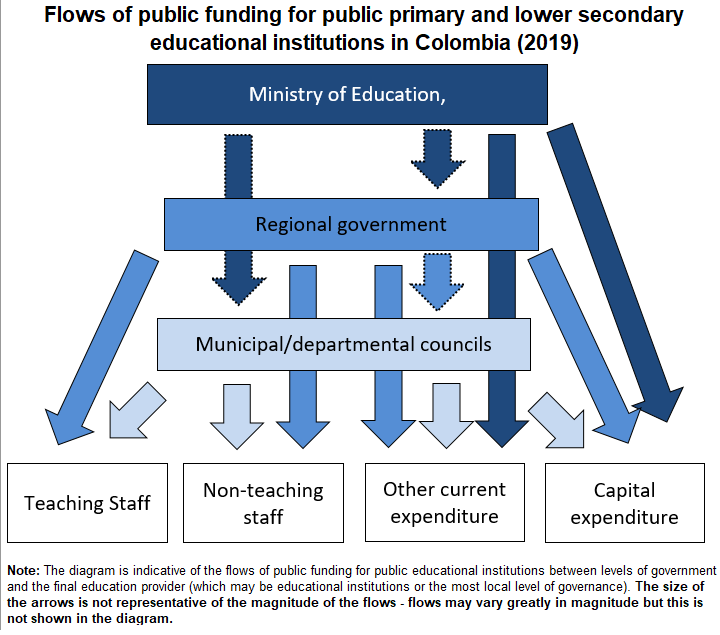
Click on the diagram to get a PDF version
Click on the coverpage to see the full OECD iLibrary version


Note: These values should be interpreted with care since they are influenced by countries' specific contexts and trade-offs. In education, there is often no simple
most- or least-efficient model. For instance, the share of private expenditure in education must be read against other measures designed to mitigate inequities,
such as loans and grants; longer learning time is an opportunity to convey more and better content to students, but may hinder investments in other important
areas. If you want further information on the nature of different variables, please take the time to read the analysis and contextual information, available at the website
for each publication.
All rankings for individual variables are compiled on the basis of OECD and G20 countries for which data are available. The OECD average includes only OECD countries which are listed here: https://www.oecd.org/en/about/members-partners.html
Reference years displayed in the Education GPS correspond to the most common year of reference among countries for which data is available on each variable. Data for the latest available year is preferred and some countries may have provided data refering to a more recent or late year. To know more about possible exceptions on data please click on the "Download Indicator" link on each variable. When a year of reference corresponds to a school year encompassing two years, the reference reads as follows: 2026 for school year 2025/2026.
*TALIS averages are based on all countries participating in the TALIS survey, including partner countries and economies. This explains the difference between the OECD average and the TALIS averages. Data from the TALIS survey and Education at a Glance (EAG) may differ. See Annex E of the TALIS technical report and Annex 3 of EAG 2024 for more details about the data collections.
For additional notes, please refer to annexes in the list of links below the introductory country profile text.
All rankings for individual variables are compiled on the basis of OECD and G20 countries for which data are available. The OECD average includes only OECD countries which are listed here: https://www.oecd.org/en/about/members-partners.html
Reference years displayed in the Education GPS correspond to the most common year of reference among countries for which data is available on each variable. Data for the latest available year is preferred and some countries may have provided data refering to a more recent or late year. To know more about possible exceptions on data please click on the "Download Indicator" link on each variable. When a year of reference corresponds to a school year encompassing two years, the reference reads as follows: 2026 for school year 2025/2026.
*TALIS averages are based on all countries participating in the TALIS survey, including partner countries and economies. This explains the difference between the OECD average and the TALIS averages. Data from the TALIS survey and Education at a Glance (EAG) may differ. See Annex E of the TALIS technical report and Annex 3 of EAG 2024 for more details about the data collections.
For additional notes, please refer to annexes in the list of links below the introductory country profile text.